In the world of solar power, the choice of electrical components can make or break a project’s efficiency, safety, and longevity. This is why it is so important that solar project owners and developers understand the difference between factory-made trunk bus solutions like Shoals’ Big Lead Assembly (BLA) and field-installed Insulation Piercing Connectors (IPCs).
This blog explores insights from our eBook, The Safer Choice: BLA vs. IPCs for Solar, highlighting the key differences and helping you make informed decisions about your solar project’s electrical components.
What are IPCs?
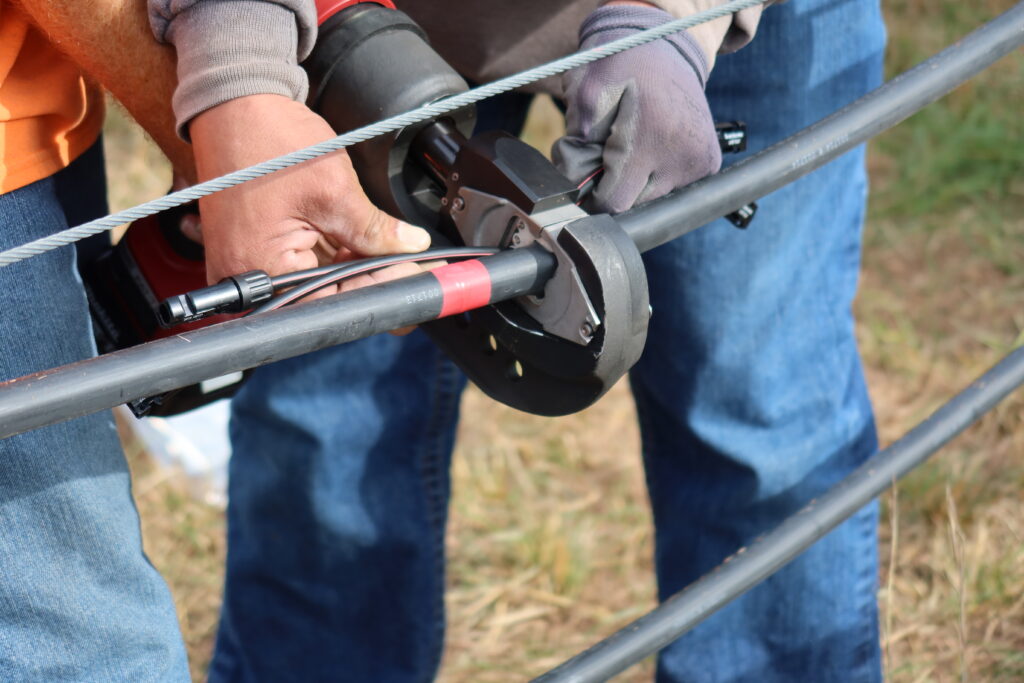
If you work in the solar power industry, you’ve likely encountered IPCs. These electrical connectors are designed to pierce wire insulation, creating a connection without the need to strip the wire. While they aim to simplify installation, IPCs come with significant challenges that can impact their long-term performance.
Proper installation of IPCs requires licensed electricians with expertise, as mistakes during installation can lead to failures over time. They rely on gels or dry clamshells to seal connections, but materials like gel are prone to damage from improper installation and can deteriorate over time due to environmental factors such as humidity, temperature fluctuations, or exposure to salt air. Additionally, IPCs are highly vulnerable to corrosion at aluminum-copper joints, which can increase resistance, cause overheating, and lead to potential failures.
Redefining solar connectors
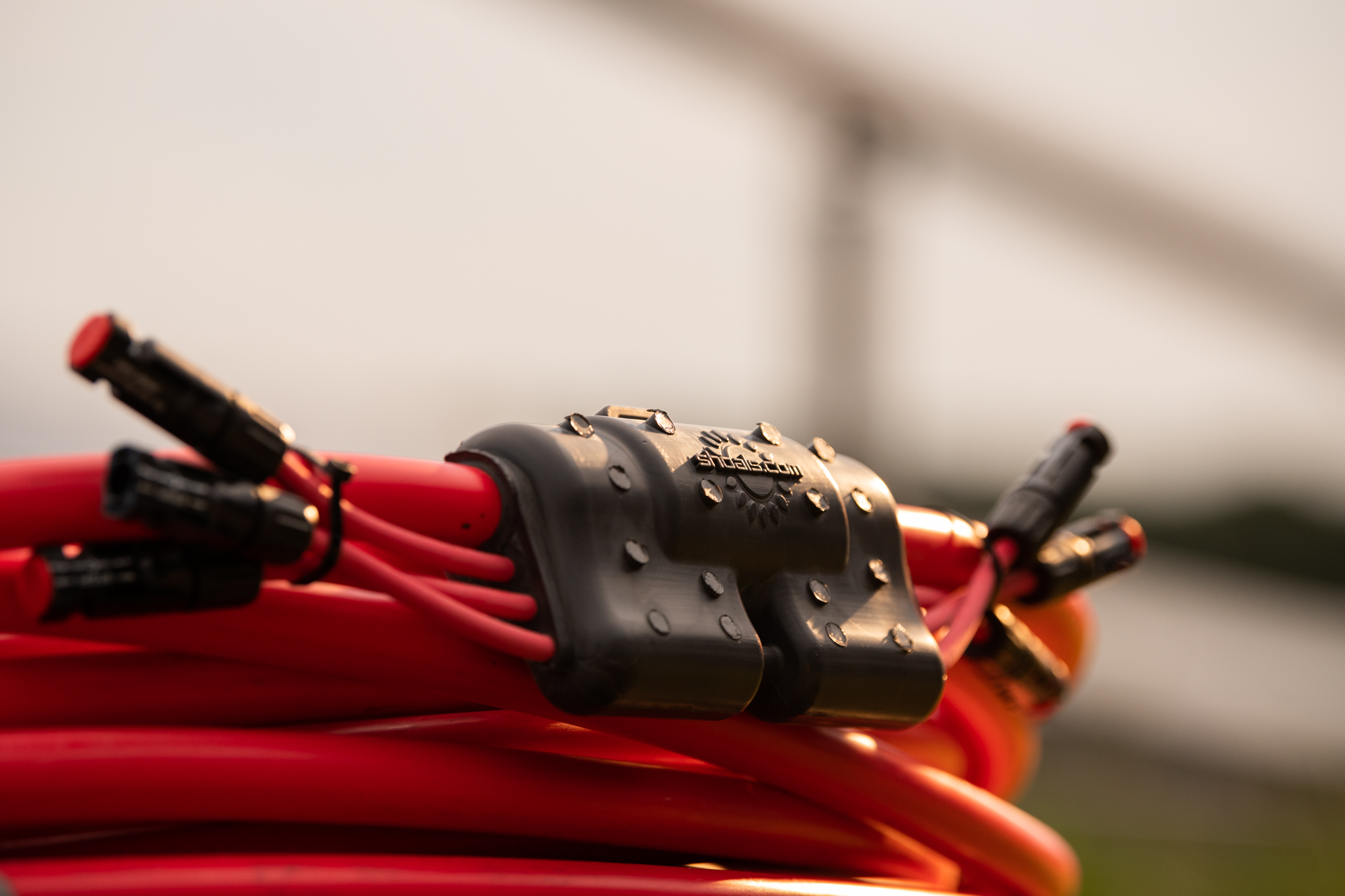
Shoals BLA is a factory-made solution designed to overcome the shortcomings of IPCs and deliver reliable, long-lasting performance. Shoals uses advanced sealing technology, featuring a proprietary undermold/overmold process, to create a hermetic seal that prevents oxidation, corrosion, and environmental damage. This helps ensure durability even in the most challenging conditions.
BLA systems are prefabricated and rigorously tested, streamlining installation, minimizing labor needs, and reducing errors, making them both efficient and cost-effective. With a design life of over 35 years, Shoals BLA outperforms IPCs by offering superior reliability and resistance to environmental stressors.
The hidden costs of IPCs
Solar projects are long-term investments, and their electrical components must withstand decades of environmental and operational challenges. While IPCs may initially seem cost-effective, their reliability heavily depends on installer skill and IPC’s ability to withstand environmental conditions. IPC joints are prone to aluminum oxide formation, which poses a significant risk. The oxide layer can increase electrical resistance, generating heat and increasing flammability.
IPCs are also significantly less reliable in wet or humid conditions, as demonstrated by Shoals’ wet hipot testing, which revealed that IPCs are significantly more likely to fail than BLA systems. Furthermore, IPCs have an uncertain design life, making them less suitable for long-term utility-scale solar projects, where durability is critical.

Wet hipot testing: proving the difference
Shoals conducted wet hipot tests to compare the performance of IPCs and BLA solutions. In these tests, wires were submerged in water and subjected to high voltage to measure leakage current—a key indicator of insulation integrity. Here are the results and implications:
IPCs exhibited over 10 times the leakage current of BLAs, highlighting their vulnerability to moisture and environmental exposure. In worst-case scenarios, IPC leakage exceeded testing limits. These results confirm that IPCs are more prone to failures in real-world conditions, while Shoals’ BLA maintains superior insulation and reliability.
Shoals sets the standard for solar connectors
Not all connectors are created equal, and adhering to industry standards is essential. Shoals stands out by meeting the highest benchmarks in solar technology. We offer a solution that combines both a UL 9703 PV assembly or harness and a UL 6703 connector. Shoals’ harness and connector are fully compliant with PV standards, specifically designed for solar PV applications. This helps ensure superior safety and performance. In contrast, many IPC manufacturers rely on a standard intended for applications like irrigation cables. This may be insufficient for the demands of utility-scale solar projects.
Beyond compliance, Shoals prioritizes material quality, using components optimized for solar applications. Our materials are engineered for UV resistance, flammability protection, and long-term durability.
How do I choose solar connectors for my clean energy project?
Whether you work for a project developer, a project owner, or an EPC, choosing the right EBOS solutions for your solar project is a critical decision that should take place early in the process.
While IPCs may seem easy to install and cheaper up front, their vulnerabilities can lead to long-term challenges. Shoals BLA offers a proven solution, combining reliability, safety, and cost-effectiveness. Whether you’re repowering an aging solar farm or developing a new project, investing in high-quality components like Shoals’ BLA helps ensure your system’s longevity and reliability – the new expectation in the clean energy industry.
At Shoals, we have the right solar power experience and expertise. Our industry-leading electrical balance of systems (EBOS) solutions offer it all: durability of materials, innovative design, and strong performance under various environmental conditions. We provide detailed product specifications and test results to back up our claims. We also offer design and engineering support to optimize your project layout, as well as long-term after-sales care for ongoing maintenance and troubleshooting.
Download the eBook to use as a guide
For a deeper understanding of the key differences between BLA and IPC solutions—and how they impact solar project safety, longevity, efficiency, and cost-effectiveness—download our eBook, The Safer Choice: BLA vs. IPCs for Solar. Inside, you’ll find detailed comparisons, insights on extending your project’s lifespan, and real-world performance testing data.
Contact us today to discover how our patented flagship trunk bus solution – Shoals BLA – is key to long-lasting solar installations.
The Safer Choice: BLA vs. IPCs for Solar
Download our eBook to choose EBOS solutions that guarantee safety, reliability, and longevity of your solar installations.