
As Australia scales its renewable energy capacity faster than ever, safety has become one of the most defining priorities for solar and energy storage developers. Scaling fast is no longer the only goal. Scaling safely is what ensures reliability, longevity, and return on investment. In this post, we explore what safety means for the region’s rapidly growing clean energy infrastructure. We also discuss how prefabricated electrical balance of systems (EBOS) solutions can help projects withstand Australia’s unique environmental and operational challenges.
Learning from global lessons
Across the world, the solar industry is evolving from expansion to refinement, building systems that last longer, perform better, and operate safely. In the United States, recent policy shifts have slowed investment momentum and created challenges for the industry. Despite headwinds, solar and storage remain the fastest and most cost-effective way to add power to the grid. Solar and storage also offer the best way to firm up existing capacity amid surging electricity demand driven by AI and data centres. So developers remain focused on building high-quality, long-lasting projects that protect both assets and reputations.
For Australia, this is an important parallel. As the country races to meet its 82% renewable generation by 2030 target, the focus must expand from gigawatts to gigawatts that endure. To do that, developers and EPCs need to understand which components most influence system safety and reliability while maintaining scalability. That begins with EBOS. It is the wiring, connectors, switches, and combiner boxes that form the electrical backbone linking the entire solar and storage ecosystem together.
U.S. vs. Australia: Same Fundamentals, Different Risks
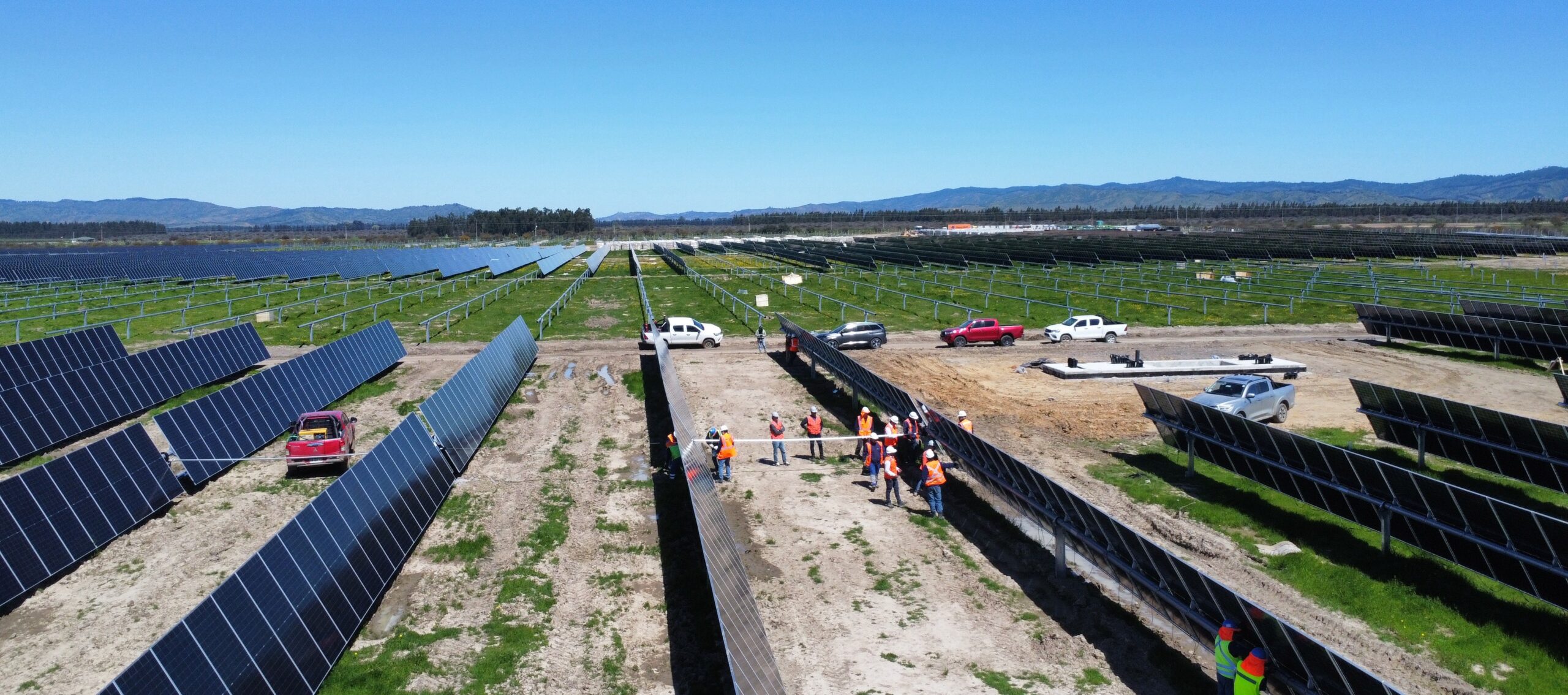
Like the U.S., Australia is leaning heavily on solar paired with batteries to shift midday generation into evening peaks and strengthen grid stability. Similar to the U.S., Australia’s vast open landscapes and abundant sunlight make it ideal for large-scale solar and storage projects. However, Australia’s geographic, climatic, and environmental conditions introduce distinct challenges that require design innovation and greater operational discipline.
- Bushfire exposure and vegetation control: In early 2025, Energy Safe Victoria ordered several solar farms offline due to fire risks, exacerbated by long grass. Bushfire risk makes proper spacing, vegetation management, and fire-aware site layouts essential to project safety.
- Wildlife and environmental stressors: Cockatoos, termites, possums, and other wildlife can chew through cables or damage equipment. Coastal and arid regions add salt spray, dust, and high temperatures, demanding corrosion-resistant materials, sealed enclosures, and higher ingress protection ratings.
- Grid operations and policy: As the National Electricity Market (NEM) evolves, new underwriting rounds emphasise firmed renewables. At the same time, some states are introducing emergency backstops for distributed PV. These policies affect how projects are designed, from inverter control settings to protection schemes.
Australia’s risk profile calls for innovative designs, robust materials, and industrial-grade manufacturing that can survive the country’s demanding field conditions for decades.
What safety means for a solar + storage project
Safety in solar and storage is about more than compliance checklists. It is about anticipating and mitigating risk through design, construction, and operation. Safety starts with thoughtful engineering: selecting high-quality components, planning effective layouts, and reducing potential points of failure.
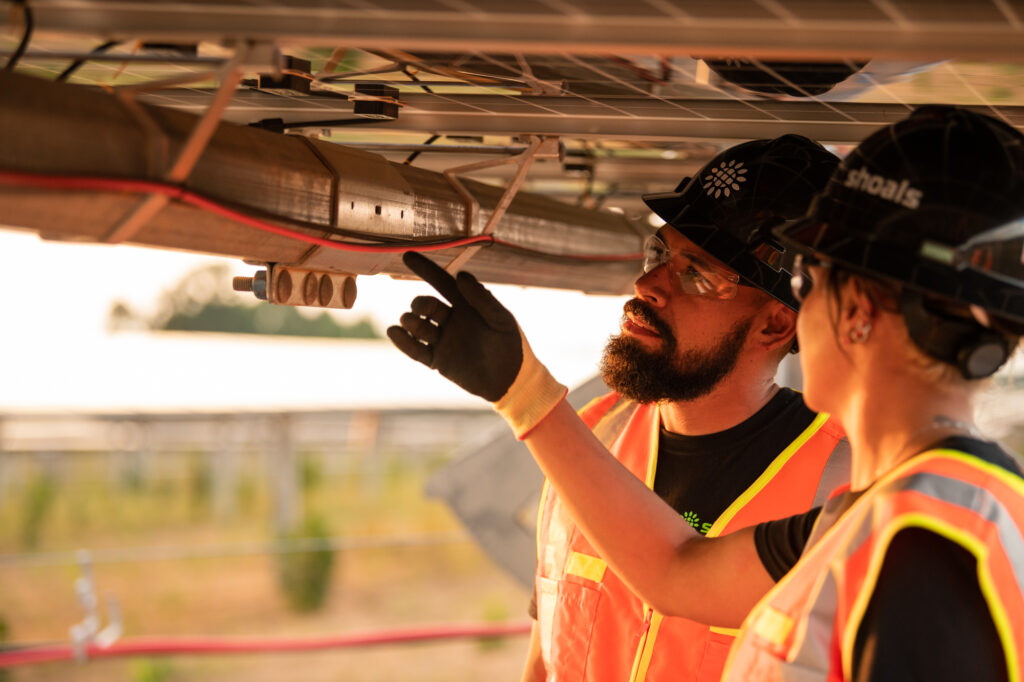
While panels, trackers, and inverters often get most of the design attention, wiring is where many failures actually occur. Cable terminations and connectors are exposed to weather, wildlife, and high DC voltage. This makes them common failure points if they are not designed and tested to withstand harsh conditions. According to industry data, connector and wiring faults are among the most frequent sources of field issues in solar PV systems today.
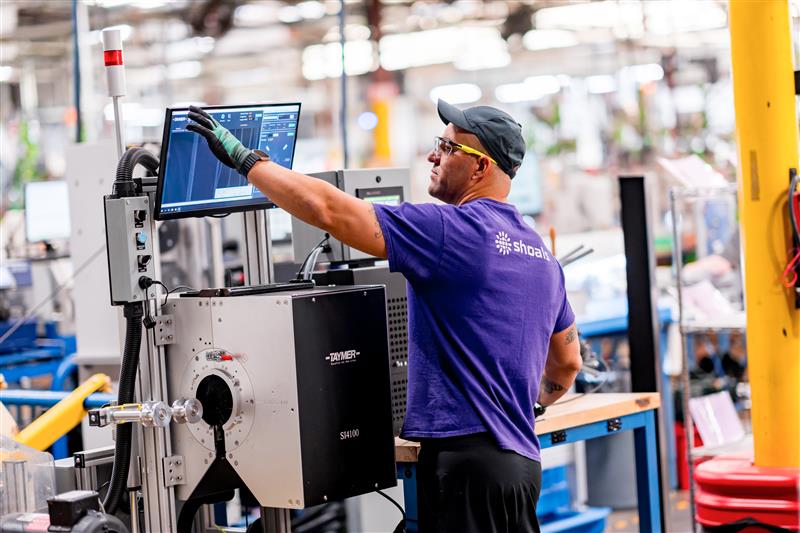
Partnering with a manufacturer known for factory-assembled and rigorously tested EBOS can prevent many of these hazards from arising in the first place. Prefabricated, quality-assured solutions minimise installation errors, reduce reliance on specialised field labour, and lower the risk of future downtime. They also help manage Australia’s specific threats, such as bushfires, extreme heat, and corrosion, by ensuring wiring and boxes are sealed, durable, and consistent from project to project.
Safety, of course, also extends beyond hardware. It involves vegetation management, clear emergency access, proper signage, and digital monitoring tools that detect faults early. Ultimately, safety must be embedded into company culture—from field practices to procurement decisions.
Why prefabricated EBOS is central to safer projects
Shoals pioneered factory-assembled and rigorously tested EBOS because the safest site is the one that requires the least risky field work. Under Australia’s challenging conditions—heat, dust, wildlife, and bushfire exposure—prefabrication provides a distinct advantage in reducing hazards while improving reliability and speed.
1. Safety by design
Our innovative under/overmould design ensures that solutions are sealed, corrosion-resistant, and wildlife-proof, ensuring consistent performance. Modular layouts allow engineers to optimise cable runs and site configurations that enhance both safety and efficiency.
2. Fewer on-site terminations
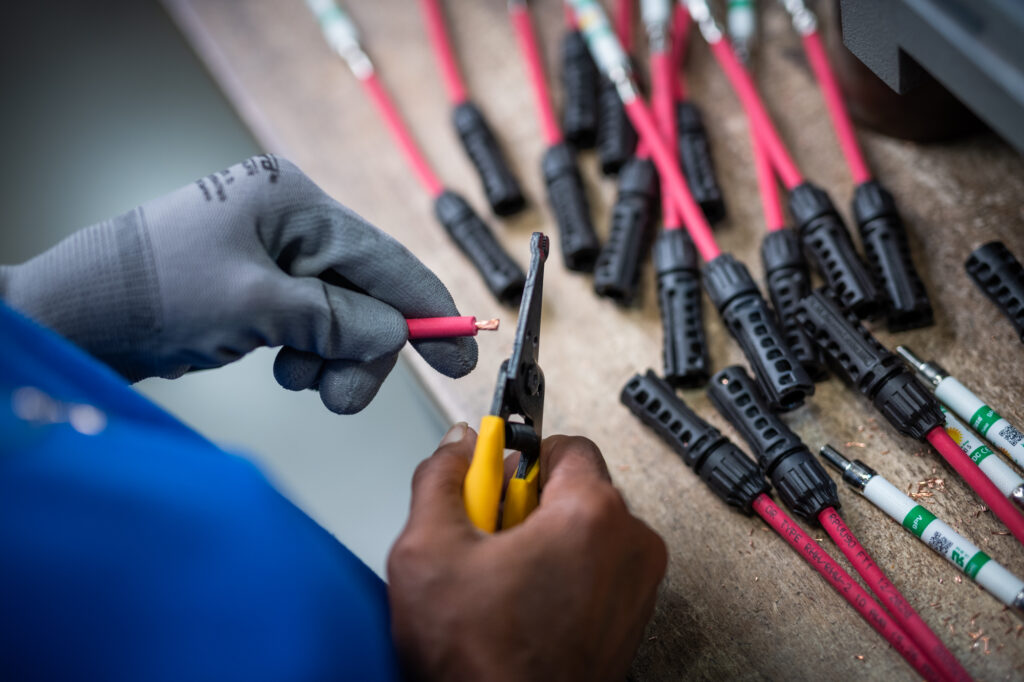
Every field termination is a potential failure point. Factory-terminated solutions like Shoals’ Big Lead Assembly (BLA) and harnesses minimise on-site work, reducing exposure to high voltage, heat, and dust. Simple designs and less field work mean lower safety risk potential and reduced human error, without the need for specialised electricians.
3. Stringent QA/QC before and after installation
Shoals’ EBOS solutions undergo rigorous testing before leaving our factories, ensuring that installers receive systems fully verified for safety and performance—something impossible to guarantee with field-fabricated alternatives such as insulation piercing connectors (IPCs). Prefabricated solutions like the BLA also allow installers to visually inspect and confirm connection quality, unlike IPC-based systems, which act as a black box once installed. To learn more about how the Shoals BLA compares to IPCs, explore our eBook.
4. Wildlife and weather resistant
Shoals’ BLA is well known for its innovative and durable under/overmould design that protects our solutions from extreme weather conditions, but also against chewing and ingress, and allows for ad-hoc pest-proofing in the field, which is great for Australia’s diverse climates and wildlife exposure.
5. Protects ecosystems
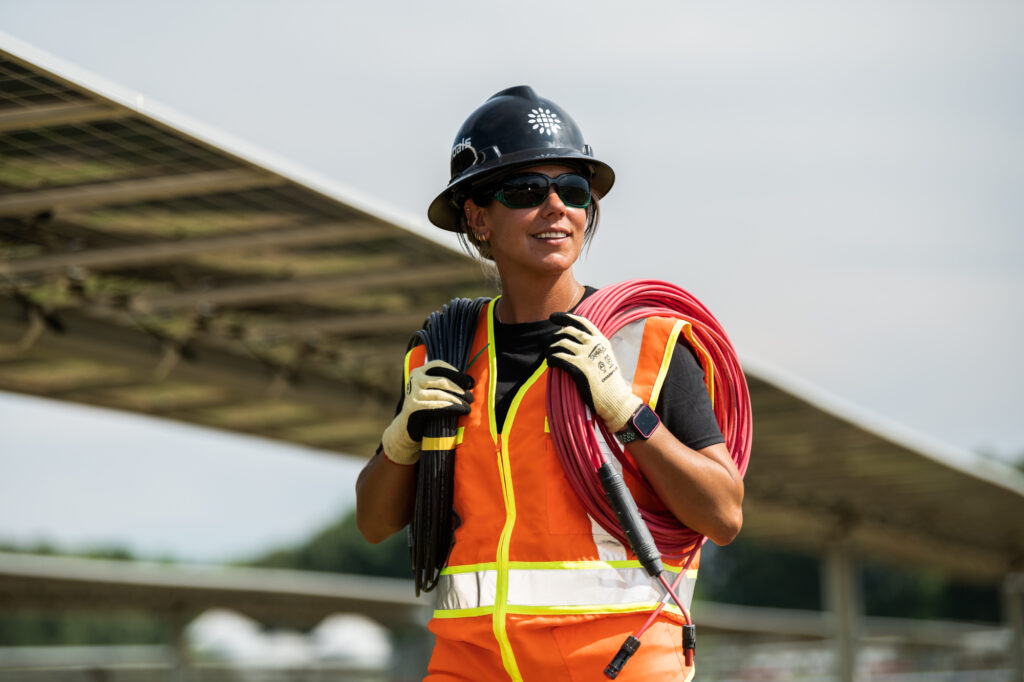
Shoals’ BLA can be deployed both above and below ground. The above-ground trunk bus option eliminates the need for trenching, minimising ecosystem disturbance while providing added protection against pests.
6. Fire-aware layouts
Prefabricated, compact DC collection reduces cable spread and simplifies vegetation control around inverters and other equipment. This helps reduce ignition sources in high-risk areas.
7. Faster installs, smaller risk window
Shorter construction schedules mean less time exposed to extreme weather or bushfire seasons. Predictable, plug-and-play installation also improves safety outcomes, cost control, and workforce efficiency.
8. Built for compliance
Shoals’ EBOS solutions for solar and storage are designed in accordance with AS/NZS 3000, 3008, and 5033, while also harmonising with U.S. standards (NEC, UL). This ensures both local and global consistency in safety and quality.
Scaling safely at speed
Australia and the wider Asia-Pacific region are entering a critical phase of clean energy expansion. Hitting renewable targets will require gigawatts of new capacity. It will also require solar and storage systems built to withstand decades of environmental stress and operational demands.
Prefabricated, industrial-grade EBOS solutions help make that possible. They reduce field work, minimising risk, and ensuring every project meets the highest standards of reliability and safety. In an environment where bushfires, wildlife, and weather extremes are part of daily reality, safety by design isn’t just best practice but essential infrastructure planning.
Looking to enhance project safety and performance with prefabricated EBOS?
Reach out and share your site drawings with our team for a tailored layout and recommendations on the safest, most cost-effective solutions for your solar or storage build.