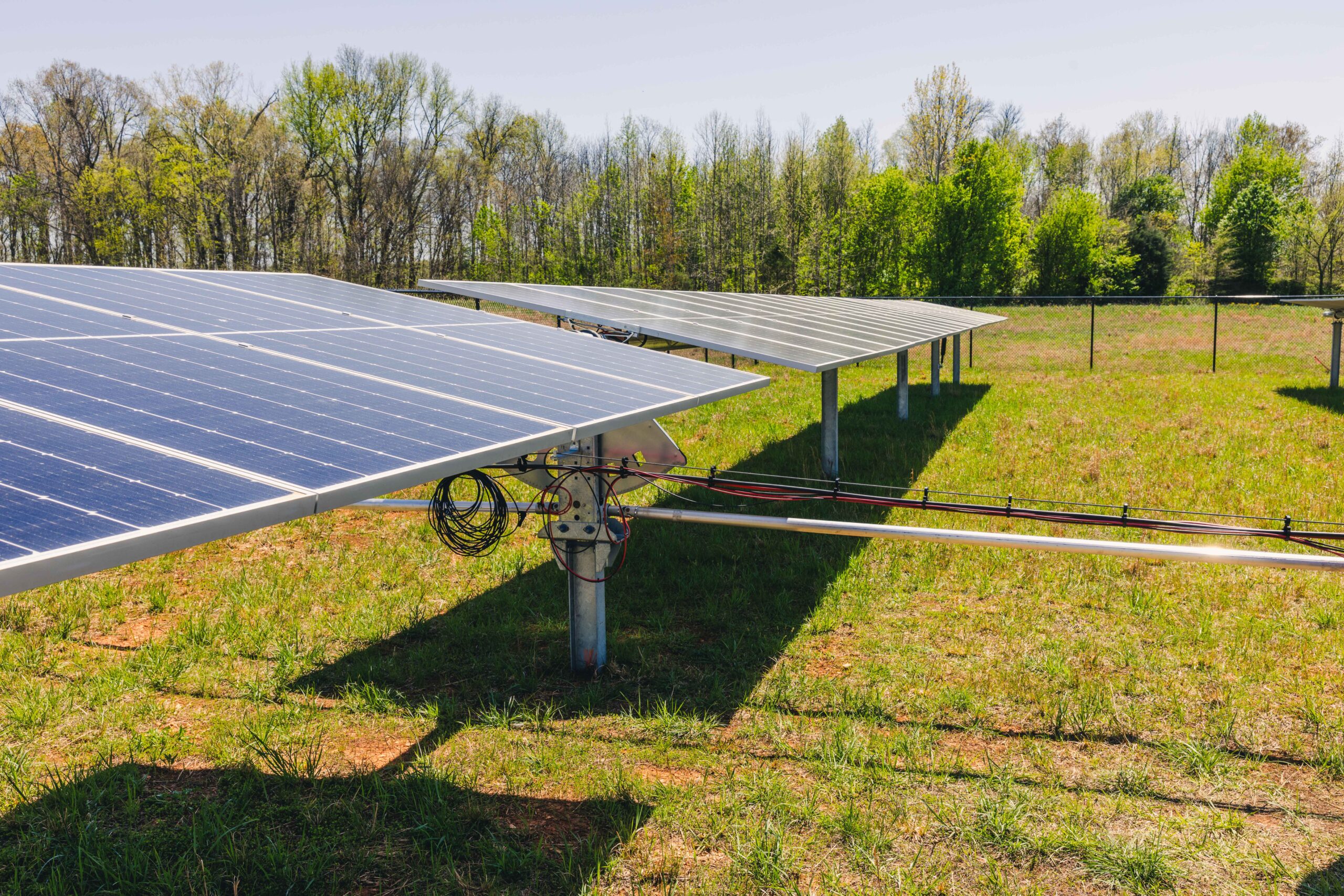

Let’s take a trip down memory lane, all the way to the early 1900s. The early American auto industry became one of the great economic engines of the 20th century but that was not always a forgone conclusion.
Fragmentation between auto manufacturers and suppliers and, later, complacency in manufacturing, opened the door for global competitors who prioritized precision, reliability, and continuous improvement. As Japanese automakers perfected joint engineering and lean production, American manufacturers paid the price for treating quality as an afterthought, losing market share, credibility, and decades of leadership before finally rebuilding through cultural and operational reinvention.
Today’s clean energy industry, facing unprecedented demand, global competition, and infrastructure pressure, stands at a similar inflection point. Quality is the foundation of resilience, cost efficiency, customer trust, and national competitiveness. If the U.S. clean energy sector wants to avoid repeating Detroit’s near disastrous trajectory, we must all rise to the occasion and build it right the first time, or the market will find someone who will.
Quality in solar & storage is a responsibility to the industry
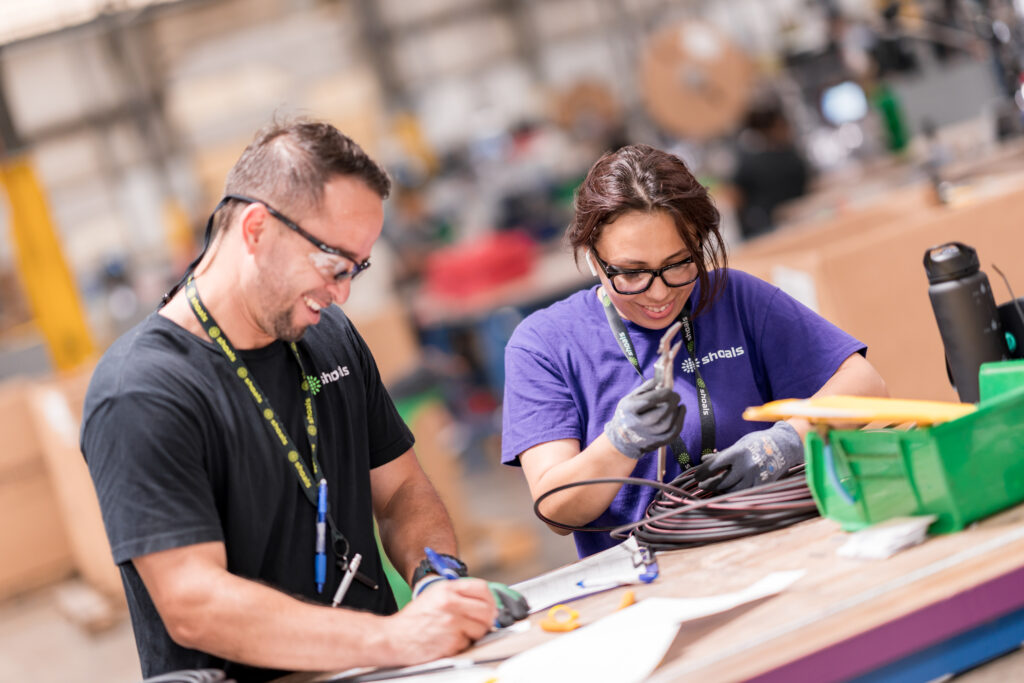
For years, conversations in solar have centered around product comparisons. Which connector is safer, whose harness is tougher, which trunk bus solution can outperform the next. Competition is at the core of any industry, pushing us forward and making us all better. Capitalism at work. But as evolution of the energy landscape accelerates like never before, the industry is being forced to confront the broader implications of its weakest links.
We are operating in an environment where the spotlight on clean energy is intense and unrelenting. Every thermal event, every performance drop due to wiring or connector failures, every outage tied back to poor design becomes part of a broader narrative. One that critics of renewable energy are eager to weaponize. In this political climate, we don’t get the privilege of assuming the public will give us the benefit of the doubt. We must earn trust project by project, component by component, together.
And that brings us to a crucial shift happening across the sector. The conversation is no longer just about selling superior products. It’s about safeguarding the reputation of an industry that is now paramount to America’s energy future.
Solar & storage quality and American energy dominance
If the last decade has taught us anything, it’s that the global race for energy leadership is no longer about fossil fuels. It’s about who can deliver reliable, scalable, futureproof power, as soon as possible, positioning solar and BESS as the leaders in this race. America’s ambition to lead the world in energy innovation hinges on whether we can build an energy infrastructure that is not only affordable and fast but also trusted.
That trust comes from engineering. It is not built by shoddy parts and sloppy designs, which lead to preventable failures that undermine confidence in the entire system and create a headline waiting to happen. It’s ammunition in a political debate already clouded by misinformation. It’s a crack in the foundation of U.S. energy competitiveness.
If America wants to lead in energy, then solar and BESS cannot afford shortcuts. Energy dominance requires reliability, and reliability starts in the smallest, least glamorous parts of the system.
The AI race raises the stakes even higher
Adding to the complexity is the explosive rise of artificial intelligence and the power demands that come with it. Data centers are now one of the fastest growing categories of energy consumption in the world. The hyperscalers leading the AI race are scrambling to secure enormous volumes of electricity.
Solar and BESS are positioned to be a cornerstone of that supply. But if the AI industry senses that solar infrastructure is prone to failures caused by sub‑par components or insufficient quality standards, they will look elsewhere or push for solutions that leave solar behind.
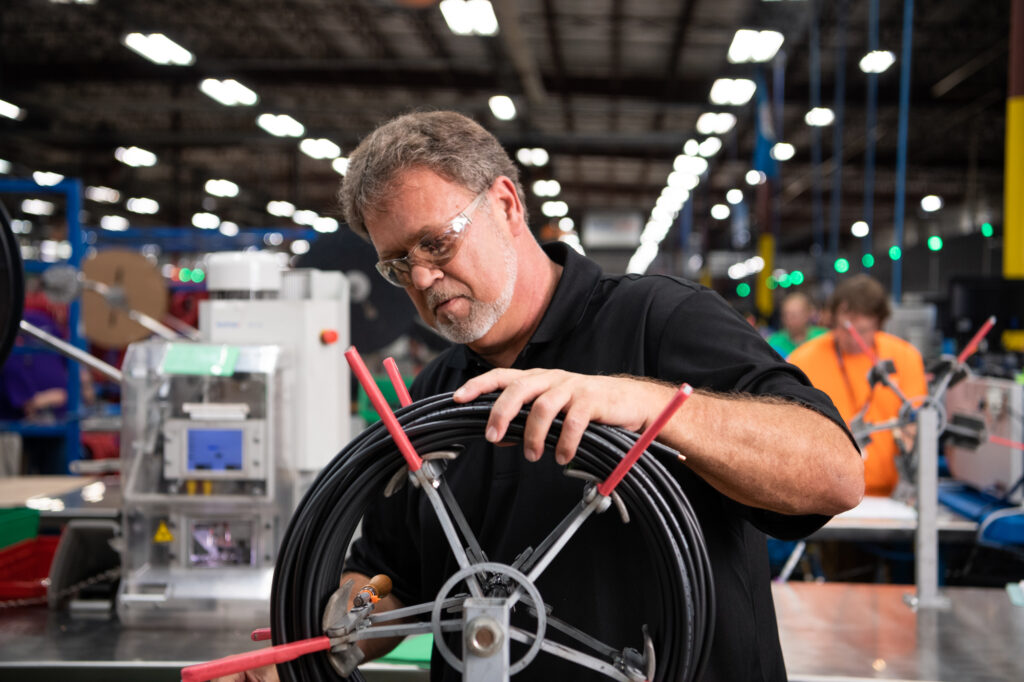
The call to raise the floor, not just the ceiling
Energy failures don’t happen in isolation. They happen in interconnected, mission-critical, high-stakes environments with real world consequences.
This is about lifting the baseline standards for an entire industry:
- We cannot allow the lowest common denominator to define public perception.
- We cannot let cheap, foreign imitations sabotage American energy leadership and threaten our national grid security.
- We cannot allow preventable failures to undermine our credibility at such a pivotal moment.
We are at a crossroads. America’s energy dominance and technological competitiveness rely on infrastructure that works every time, at every scale, under every condition. Solar and BESS can be that backbone, but only if we hold ourselves and our industry to standards that reflect the weight of that responsibility.
Don’t leave your energy project’s reliability to chance
Ready to strengthen your infrastructure? Reach out to Shoals to see how our Tennessee-based manufacturing facilities deliver the reliability and safety we are known for. Partner with us to strengthen your supply chain and ensure your energy projects outperform the competition for decades to come.