

Time to Rethink PV Monitoring
As the solar industry matures, there is increasing demand for longer-lasting, more efficient solar installations. This trend is reshaping the way developers, EPCs, IPPs, O&Ms, and asset owners think about PV system monitoring. Solar PV monitoring has long been utilized to ensure system performance and health of installations. However, extensive high touch monitoring may no longer be the most effective or necessary approach.
String-level monitoring can be costly, complex, and prone to creating more problems than it solves—especially when the electrical and wiring components behind the system aren’t engineered to industrial-grade standards. After all, the effectiveness of any monitoring strategy is only as strong as the quality of the Electrical Balance of Systems (EBOS).
In this blog, we explore how industrial-grade EBOS redefines the role of monitoring in PV systems, offering a streamlined, smarter approach to long-term performance and reliability.
Why Reduce Dependence on Traditional Monitoring?
Industrial-grade EBOS challenges the traditional assumption that high-touch, continuous monitoring is necessary. With factory-assembled, plug-and-play wiring solutions built for durability, safety, and simplicity, project stakeholders can dramatically reduce the need for excessive monitoring infrastructure.
At Shoals, we believe monitoring should be strategic—not a band-aid for poorly executed electrical work. By starting with precision-engineered, industrial-grade EBOS, owners can eliminate many common failure points from the outset, making it easier to monitor what matters, without the burden of redundant complexity, data overload, and higher O&M costs.
What Traditional PV Monitoring Looks Like
Traditional PV system monitoring tracks the output of strings— groups of solar panels connected in series— to ensure energy production aligns with performance expectations. String-level monitoring emerged as a tool to identify underperforming strings in increasingly complex utility-scale systems.
However, with improvements in wiring architecture, individual connections, and overall system design, this legacy approach may be unnecessary. Many issues that traditional monitoring is used to detect are actually symptoms of deeper design flaws that could have been avoided altogether with better EBOS solutions.
Why Monitor PV Systems in the First Place?
1. Ensuring the Health of Solar PV Installations
Monitoring is commonly used to detect faults in low voltage installations, such as loose terminations or wire degradation. But this is often a reaction to problems introduced by inconsistent, field-assembled EBOS. Industrial-grade EBOS significantly reduces these vulnerabilities by minimizing human error and standardizing quality.
2. Tracking Module Performance
Module-level monitoring is often used to identify issues like shading or performance mismatch. While helpful in specific cases, it’s frequently used as a workaround for underlying wiring or design weaknesses that could be avoided with better infrastructure.
The Hidden Costs of Monitoring and How to Avoid Them
Monitoring may promise greater visibility, but it often introduces hidden costs that chip away at project returns:
✅Increased Complexity & Failure Points: More sensors and communication devices mean more parts to maintain or replace.
✅Higher O&M Costs: Faulty readings often trigger field visits and diagnostics that may not have been necessary.
✅Software Licensing & Cybersecurity: Monitoring platforms require ongoing updates and carry cybersecurity risks.
✅Data Overload: Too much data without the tools to act on it results in confusion, not clarity.
By reducing dependency on traditional monitoring, and instead investing in better EBOS from the start, projects can streamline operations, reduce reinvestment, and boost long-term reliability.
PV Monitoring the Smart Way: With Better Infrastructure
Focusing solely on PV monitoring while neglecting the quality of EBOS and wiring solutions is not effective. Field-assembled EBOS introduces risk, inconsistency, and failure points. No amount of monitoring can fully make up for poor system quality.
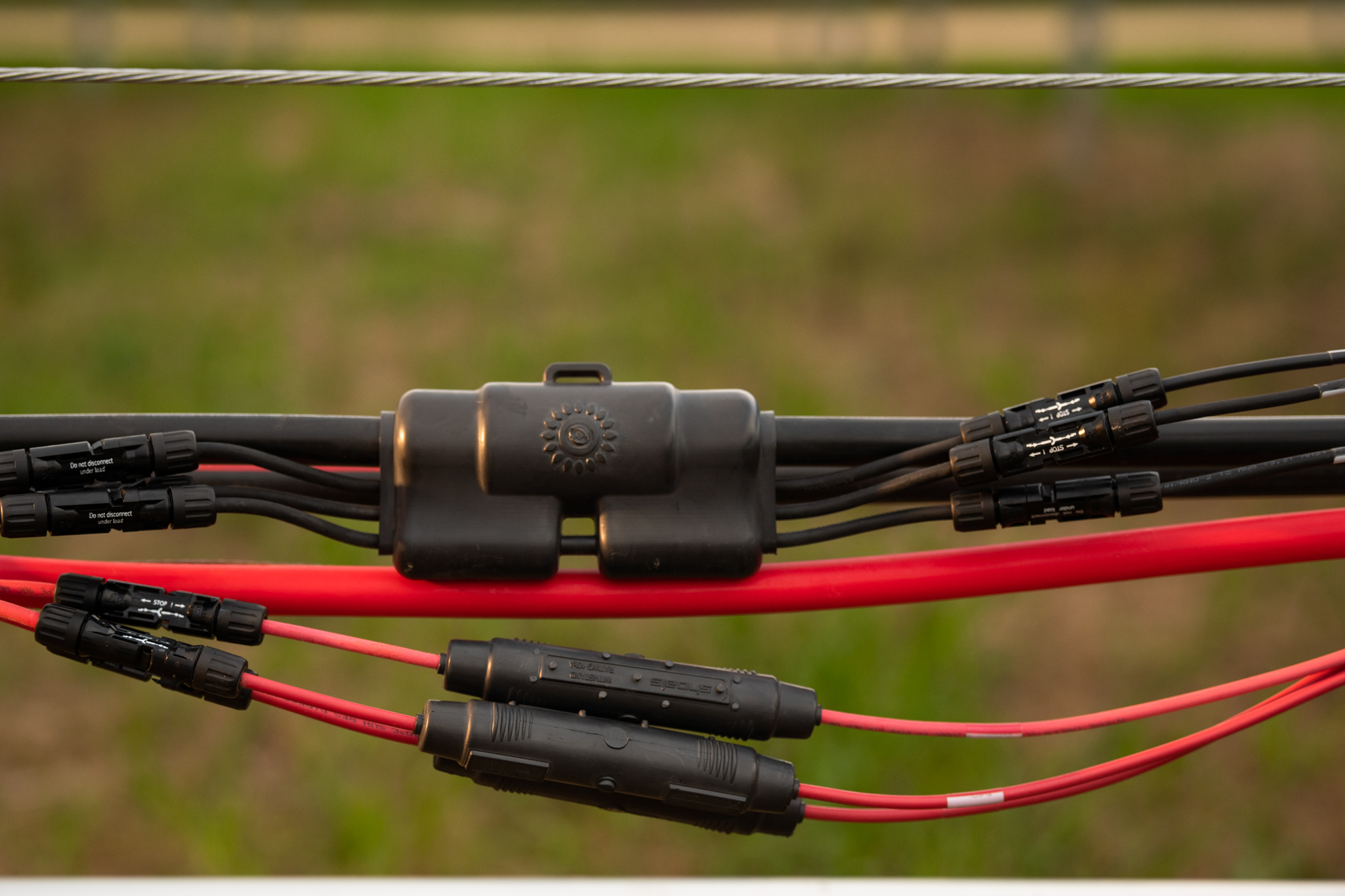
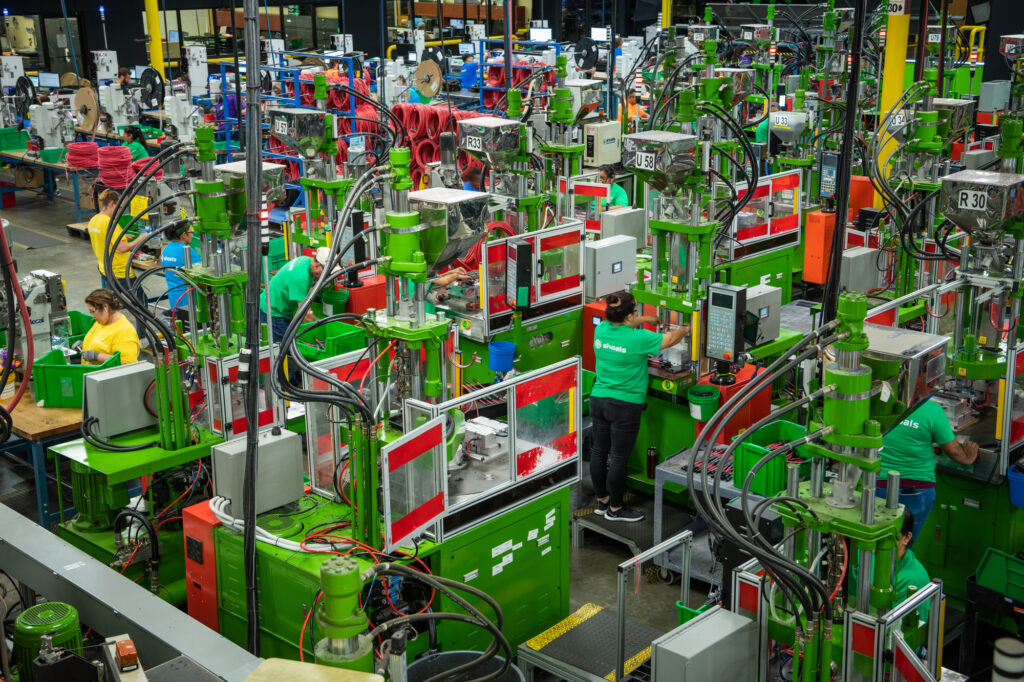
High-quality EBOS fundamentally changes the game. At Shoals, we rigorously test our factory-assembled, industrial-grade wiring systems to perform under real-world conditions. Our plug-and-play solutions eliminate variability, reduce failure points, and enable owners to trust the system’s performance, without needing to constantly monitor for issues. When EBOS is field assembled, it introduces risk, inconsistency, and potential failure points. For example, insulation piercing connectors (IPCs) are more complex to install and have higher failure rates compared to streamlined, industrial-grade solutions like Shoals’ Big Lead Assembly (BLA).
For owners seeking visibility into module performance without the burden of high-maintenance infrastructure, there are solutions that offer a better path. There is no need to rely on continuous, complex monitoring. There are wireless, modular, and cost-efficient solutions that enable system owners to evaluate performance periodically, eliminating the need for expensive and failure-prone DC monitoring infrastructure. These solutions monitor more than one string at the block level and keep your system lean, efficient, and easier to maintain — all while delivering the insights that matter most for optimizing operations and maintenance.
What the Future Holds for PV Performance Monitoring
The future of solar PV performance monitoring is leaning toward smarter, more cost-effective solutions. As hardware prices drop and systems become more modular and standardized, the cost of monitoring will continue to decrease. Instead of relying on extensive monitoring infrastructure, owners will increasingly adopt AI-powered platforms that analyze patterns, predict failures, and optimize performance using fewer data points, but with far greater intelligence.
These technologies will transform monitoring from a reactive tool into a proactive strategy, allowing operators to catch issues before they happen and make more informed decisions. In this future, performance monitoring won’t be about watching everything. Instead, it’ll be about watching the right things, with better tools.
How to Future-Proof Your Solar PV Projects
The best way to reduce monitoring needs is to design them out of the system from the start. That means prioritizing quality electrical components, robust EBOS architecture, and intelligent design.
No matter which performance monitoring solution you choose or whether you decided not to monitor your solar installations at all, when selecting your EBOS provider, ask:
✅Are the electrical and wiring components factory-built and tested for performance?
✅Does the design minimize human error during installation?
✅Are long-term warranties and ongoing support available?
✅Can the system eliminate the need for excessive monitoring by design?
And if performance visibility is still a priority, choose a monitoring solution that aligns with this simplified, high-reliability approach. Choose monitoring solutions that provide meaningful insights and support your long-term goals, while avoiding the unnecessary complexity and price tag.
Looking to optimize your next project with better electrical infrastructure for streamlined monitoring? Contact our team today.


