
Over the past two decades, Latin America has emerged as one of the world’s most dynamic clean energy markets. Countries across the region have combined exceptional renewable resources with competitive energy auctions, supportive policy frameworks, and increasing private investment to transform their electricity systems.
According to the International Energy Agency (IEA), clean energy investment in Latin America and the Caribbean was estimated to reach nearly USD 70 billion in 2025. That’s approximately 25% higher than a decade ago, with solar PV accounting for a growing share of new investment.
The region is now entering a more complex phase of development. Continued growth will depend not only on adding new solar capacity, but also on strengthening transmission, integrating energy storage, and delivering increasingly large projects efficiently. As grid constraints, cost pressures, and execution risks increase, thoughtful engineering and simplified electrical architecture will become even more important to project success.
From hydropower to a more diverse mix of clean energy
The region’s clean energy story did not begin with solar. For decades, Latin America’s electricity mix was built on hydropower, giving it one of the cleanest power systems in the world. By the IEA’s estimates, renewables account for approximately 60% of electricity generation across Latin America and the Caribbean, nearly twice the global average. What has changed over the last 10 to 15 years is the rapid diversification of that renewable portfolio. Falling solar module prices, advances in clean energy technology, and increasingly competitive procurement processes have accelerated investment in utility-scale solar and, more recently, battery energy storage.
Grid capacity is shaping the next phase of development
Governments in Latin America are investing heavily in transmission infrastructure, but grid capacity remains one of the most important constraints shaping project execution.
Brazil continues expanding its transmission network through competitive auctions, while Peru is advancing new transmission projects across multiple regions. Regional initiatives such as the SIEPAC transmission line in Central America are also improving cross-border electricity trade and strengthening grid reliability.
Even so, curtailment, interconnection limitations, and grid saturation are increasingly influencing where projects move forward, how they are designed, and whether they reach final investment decision. As a result, grid conditions play a larger role in site selection and project economics. Developers must consider not only the quality of the solar resource, but also the availability and timing of interconnection capacy.
Clean energy industry’s priorities are changing
This rapid growth has fundamentally changed the industry’s priorities. Ten years ago, the challenge was proving that utility-scale solar could compete economically with conventional generation. Today, developers are solving a different problem. As projects become larger, battery energy storage becomes more common, schedules become tighter, and regulatory or grid uncertainty remains high in several markets, success increasingly depends on delivering projects faster while controlling costs, reducing execution risk, and ensuring long-term reliability.
Why system architecture matters
That shift is driving greater focus on system architecture rather than individual components. Every cable run, field termination, and electrical connection influences installation labor, project schedules, maintenance requirements, and overall project economics. At the same time, developers across Latin America are navigating rising construction costs, elevated copper prices, longer procurement timelines, limited availability of experienced installation teams, and, in markets such as Mexico, a greater need for prefabricated solutions that enable more consistent execution and remote supervision. Simplifying power distribution has therefore become one of the most effective ways to improve constructability while reducing long-term project risk.
As projects continue to scale, engineering experience becomes an increasingly important differentiator. Successful projects depend not only on high-quality equipment but also on optimizing the entire electrical architecture. Small design decisions made early in a project can influence construction productivity, operating costs, and system performance for decades.
Three decades of EBOS experience
This year, Shoals celebrates its 30th anniversary, a milestone that reflects not only the company’s growth but also the evolution of the utility-scale solar industry itself. As a global leader in electrical balance of system (EBOS) solutions, Shoals has helped advance many of the electrical architectures that have become standard across the industry. Our engineering teams have supported some of the world’s largest solar projects, helping developers and EPCs simplify installation, improve reliability, and reduce total project costs through smarter power distribution.
Simplifying DC architecture in Chile
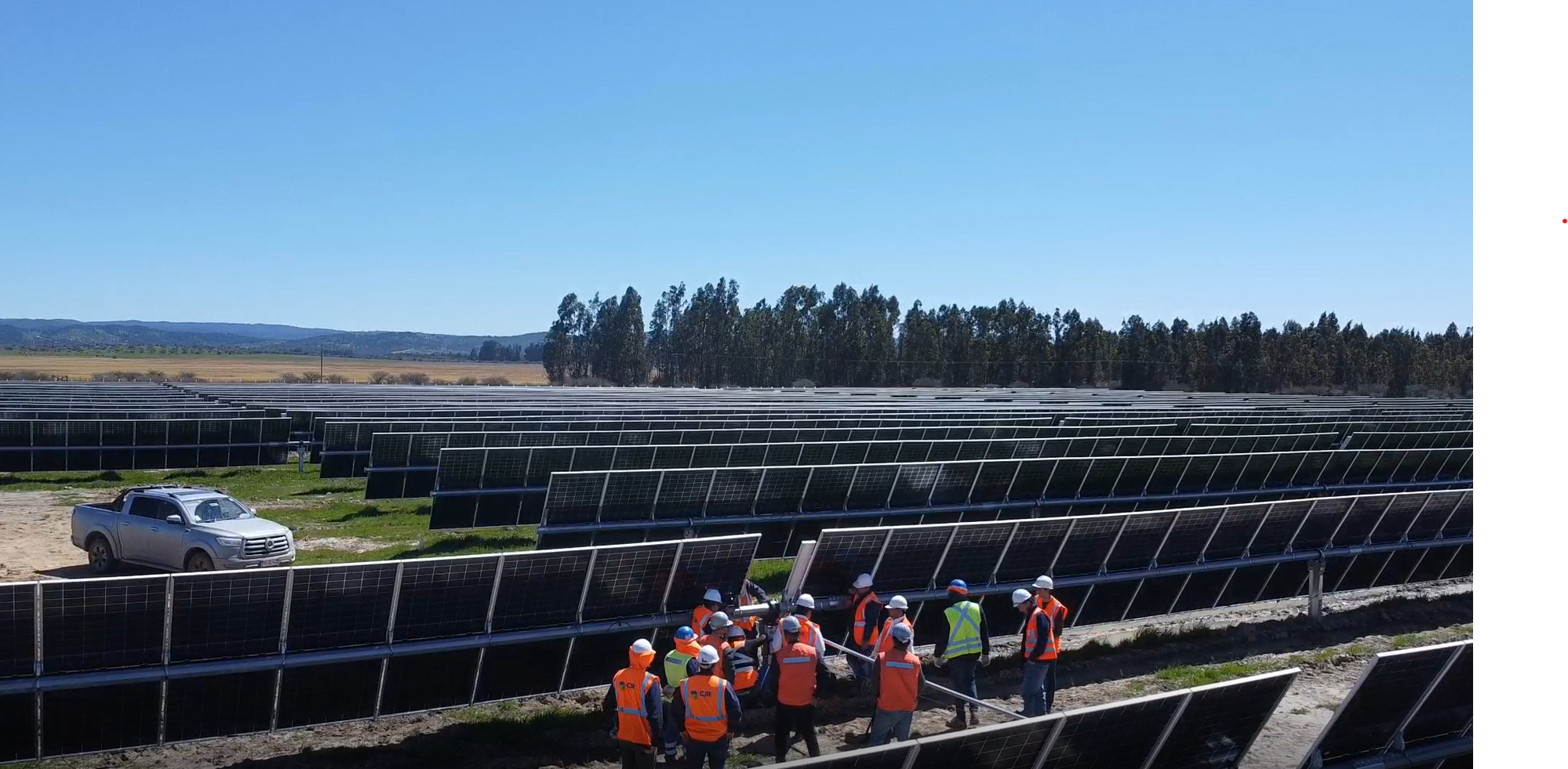
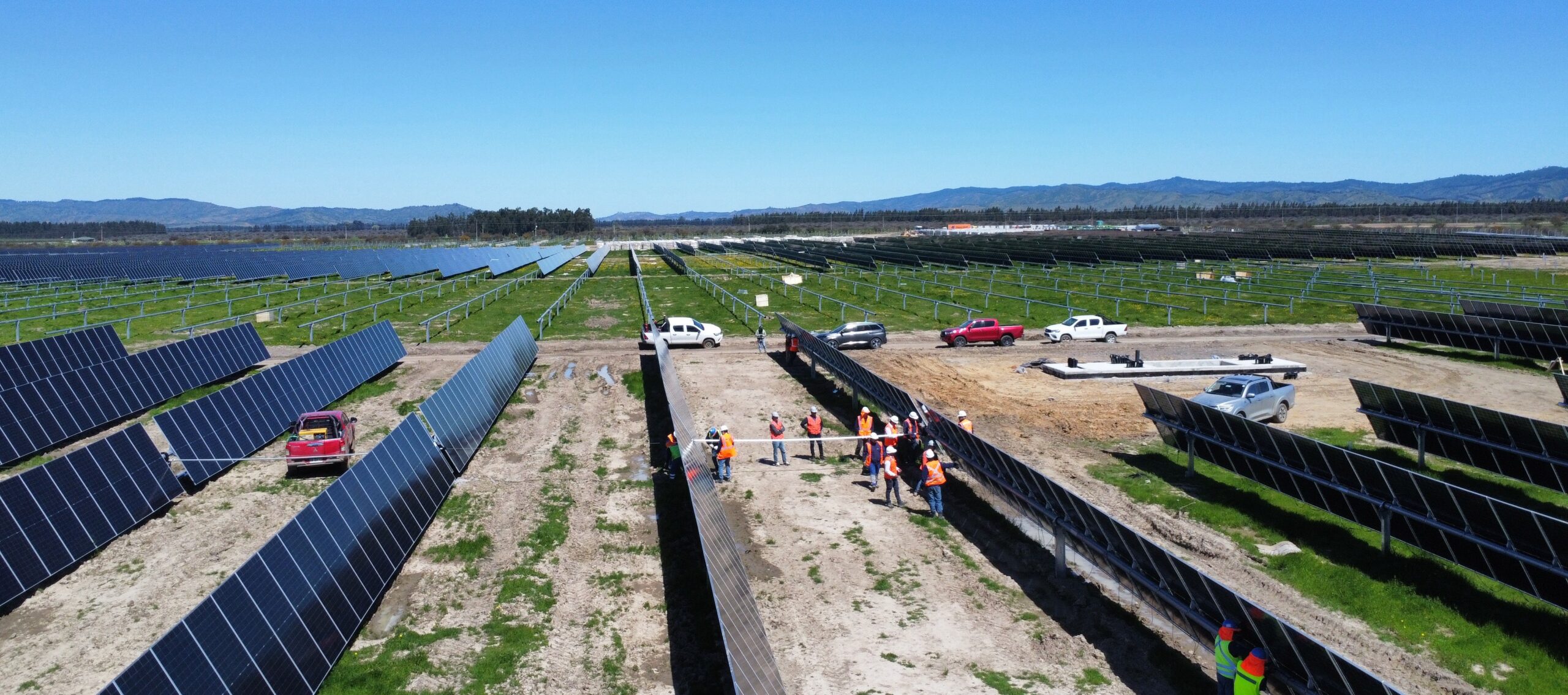
A recent example is the 110 MW Alcones Solar Project in Chile, where Shoals partnered with CJR Renewables to supply its Big Lead Assembly (BLA) system. The project demonstrated how simplified DC architecture can address many of the challenges developers face across Latin America. By reducing field wiring, minimizing the need for skilled labor, accelerating installation, and improving long-term system reliability, the BLA system helped optimize construction.
The same engineering principles guide solutions such as SuperHarness and SuperJumper. Rather than simply replacing individual components, these solutions simplify installation, reduce field wiring, minimize electrical connections, ensure savings on materials, and improve construction consistency. Those advantages become especially valuable across Latin America, where developers are increasingly focused on building larger projects with greater speed, fewer labor resources, higher long-term reliability, and stronger control over execution in markets where local EPC capacity, regulation, grid access, or logistics can create additional complexity.
What comes next
Looking ahead, the region’s renewable energy story is far from complete. The International Energy Agency, BloombergNEF, and IRENA all project continued growth in utility-scale solar and battery energy storage. As the market matures, competitive advantage will increasingly come from engineering expertise, efficient project execution, and power system architectures that reduce complexity while improving long-term reliability.
Over the past 20 years, I have seen utility-scale solar evolve from an emerging technology into a cornerstone of the global energy transition. Latin America is now entering its next phase of growth. Success will be measured not only by installed capacity, but also by how efficiently projects are delivered and how reliably they perform over the decades that follow. In that environment, engineering expertise and thoughtful system design become real competitive advantages.
Shoals continues to support developers and EPCs across Latin America as they navigate this next phase of growth. Explore our regional projects and expertise, and connect with our team if you are developing a utility-scale solar project in the region.